Battle Tested
Performance ratings for Korean weapons systems based on combat deployments, NATO exercises, live-fire trials, and official acceptance evaluations.
PERFORMANCE RANKING
26 systems rated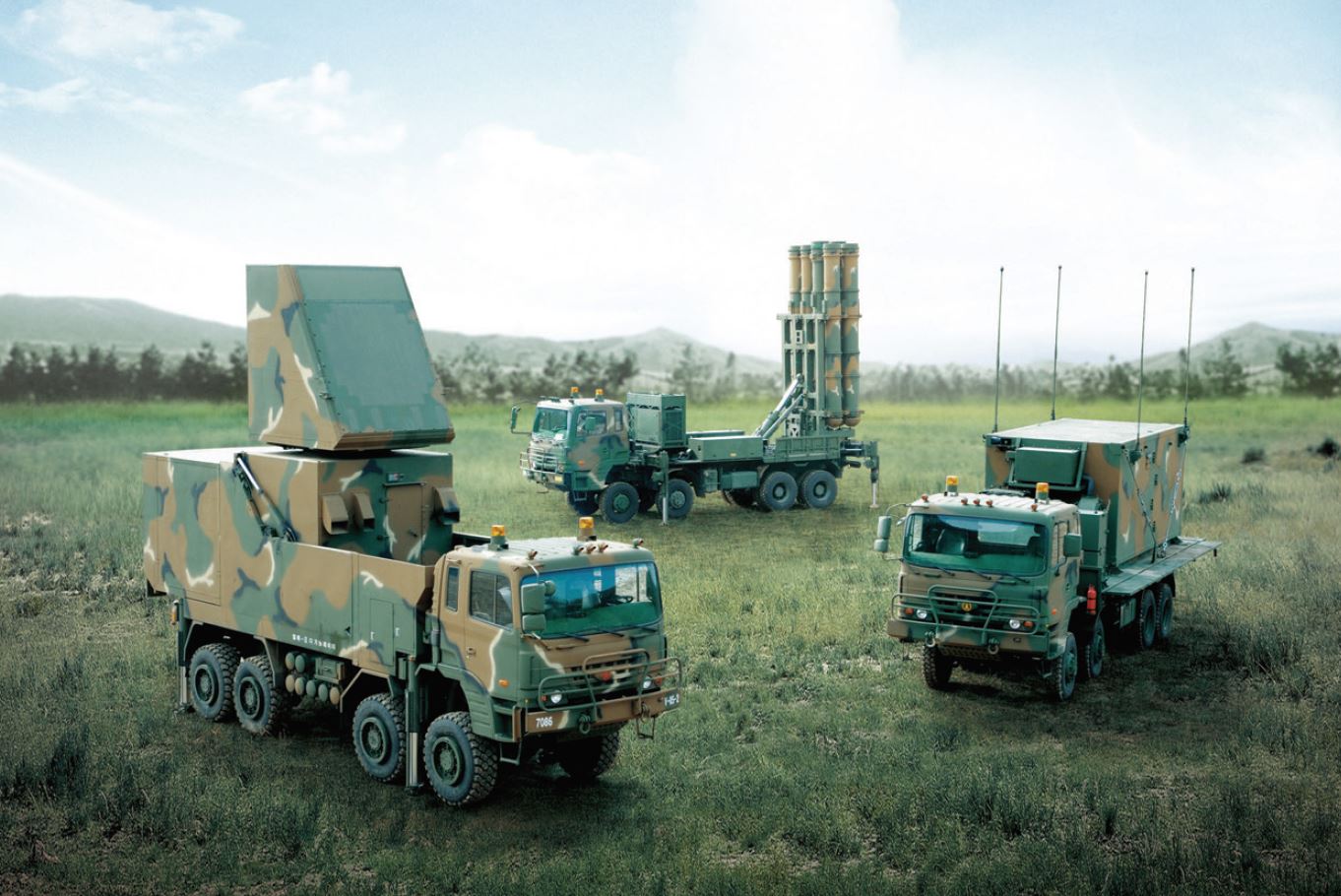
Cheongung-II (M-SAM)
Cheongung-II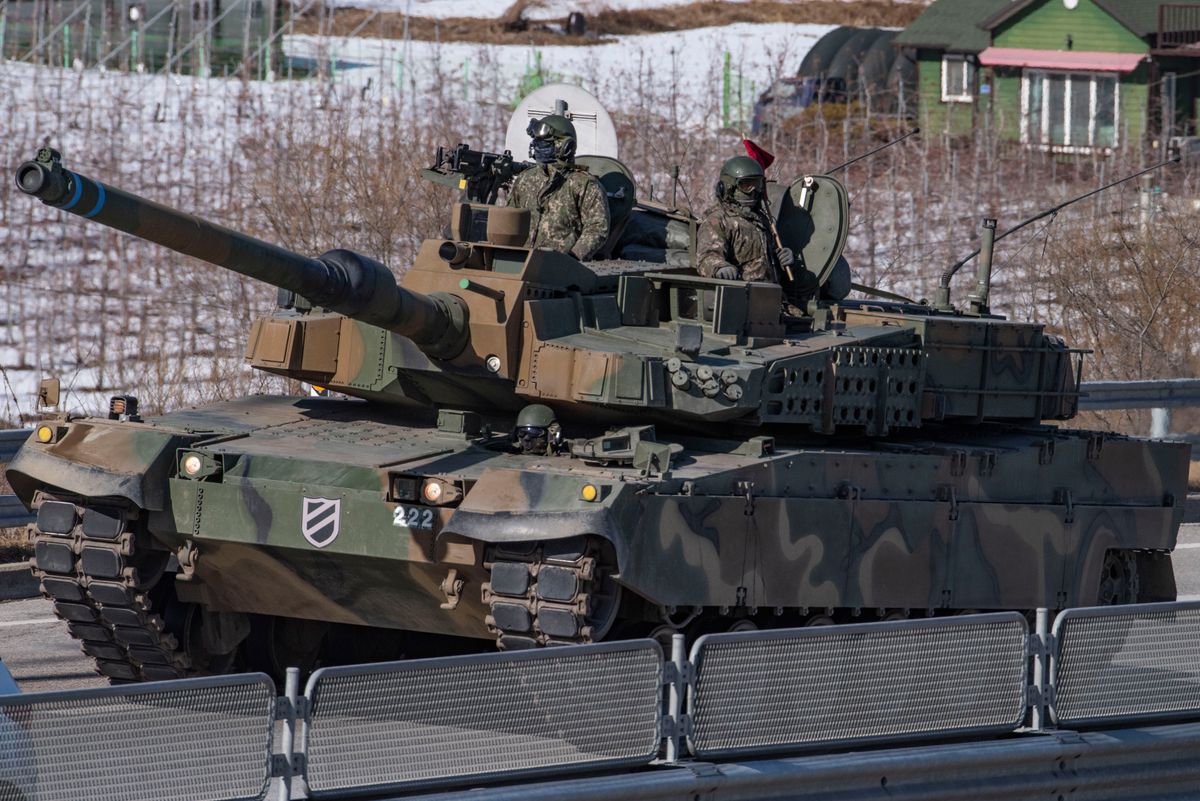
K2 Black Panther
K2Hyunmoo Series
Hyunmoo-2/3/4/5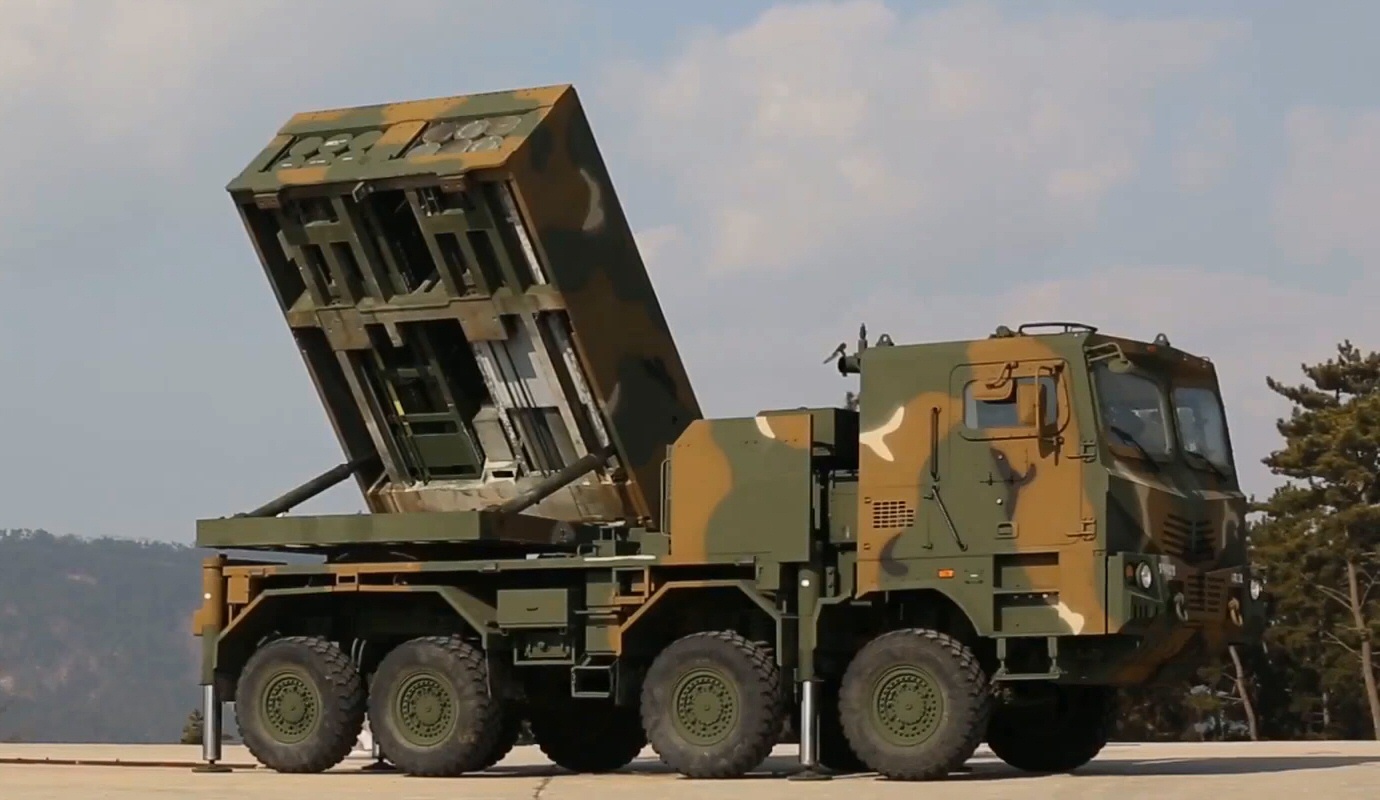
K239 Chunmoo
K239155mm Artillery Ammunition
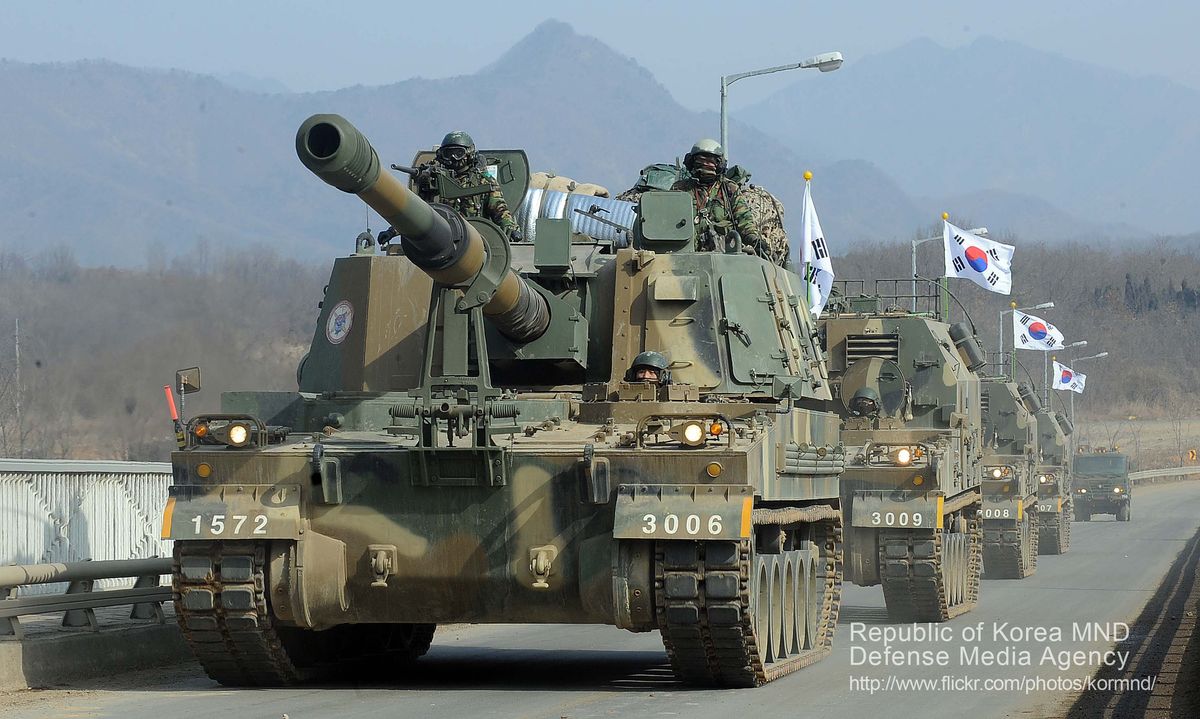
K9 Thunder
K9A1/A2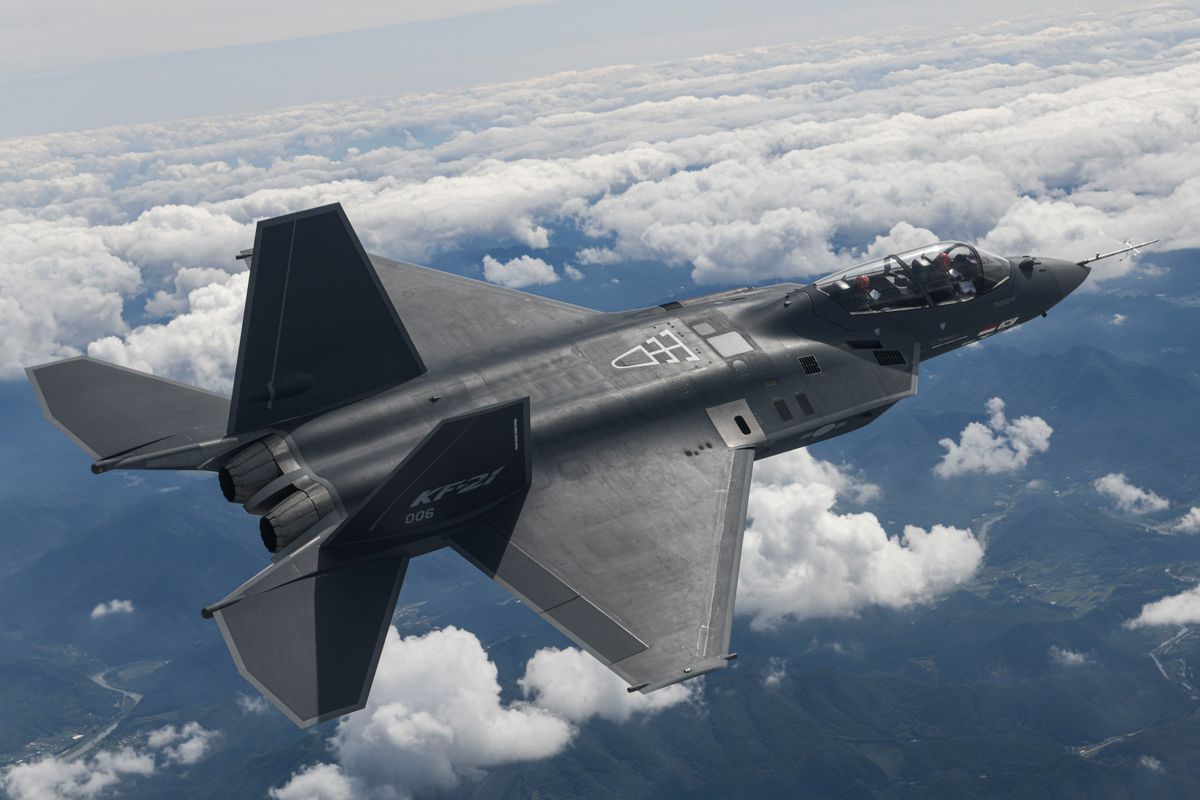
KF-21 Boramae
KF-21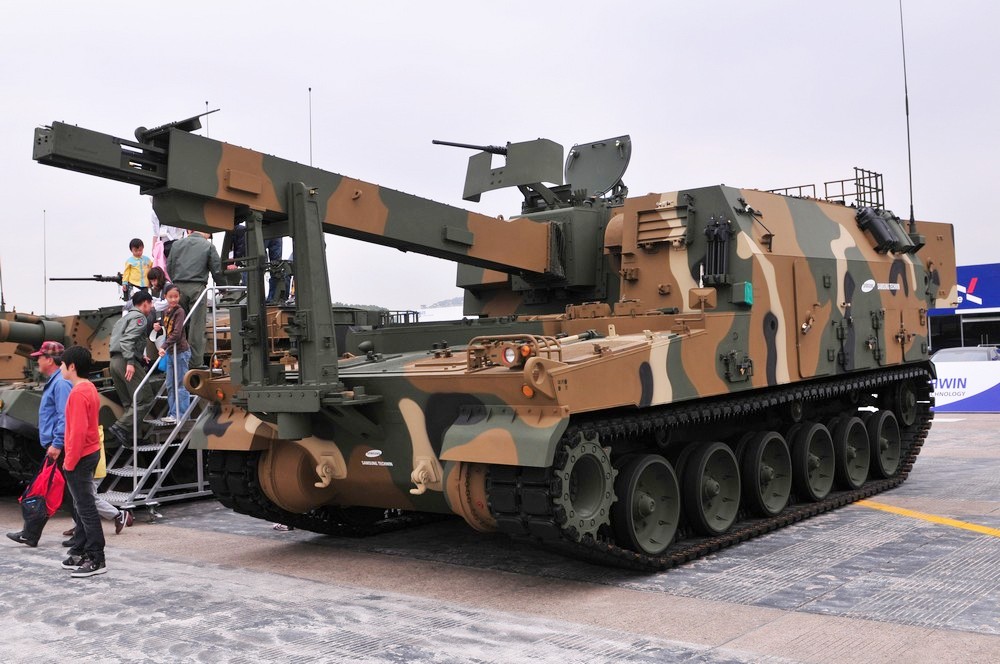
K10 Ammunition Resupply Vehicle
K10K6 Heavy Machine Gun
K6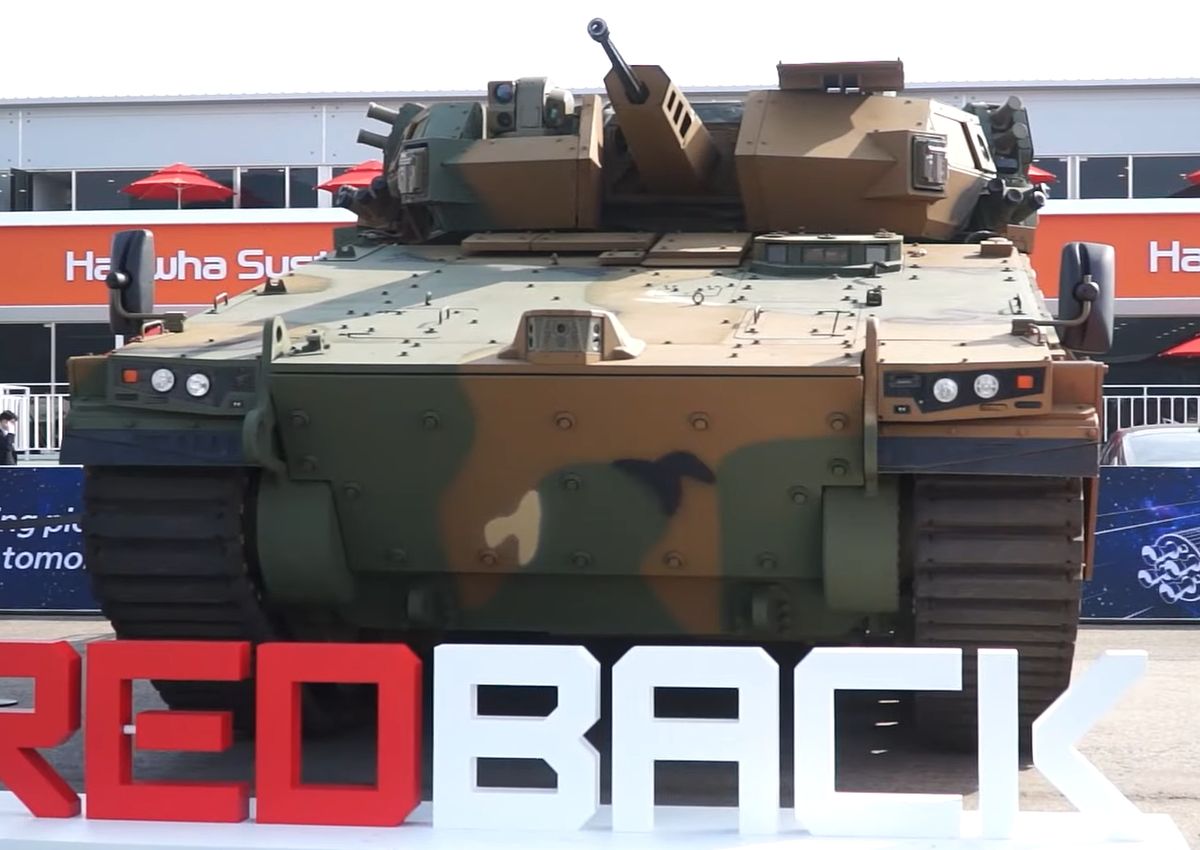
Redback IFV
AS21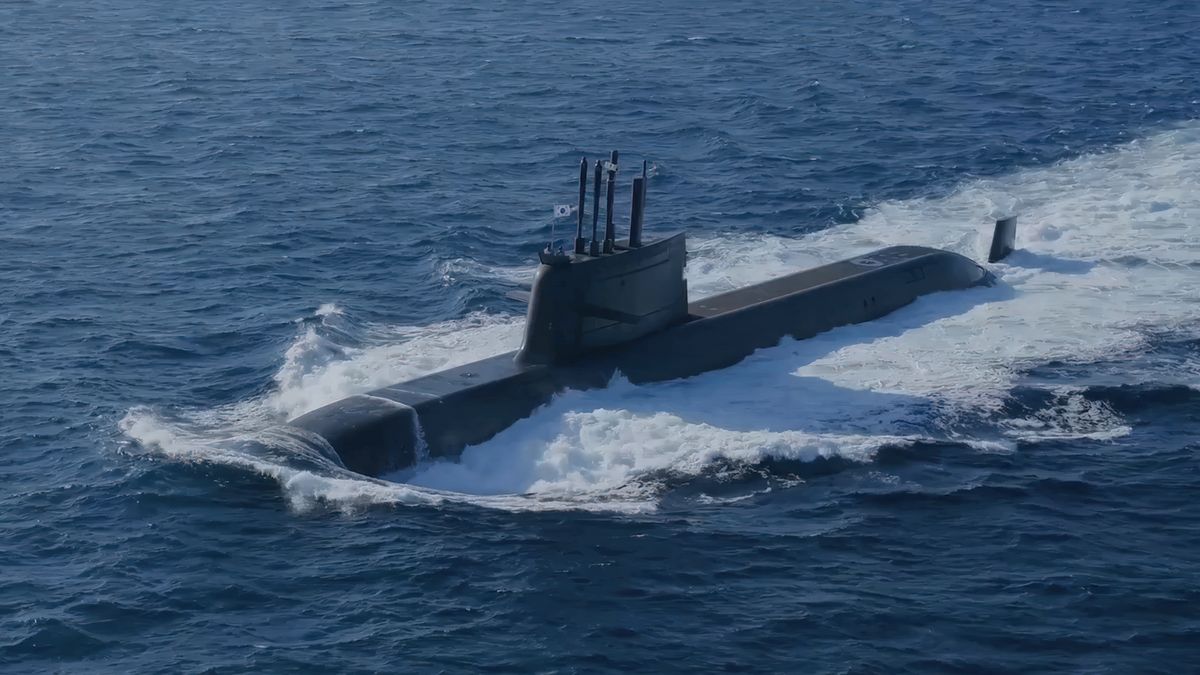
KSS-III Submarine
KSS-III Batch I/IIAESA Multifunction Radar
K2 Assault Rifle
K2 / K2C1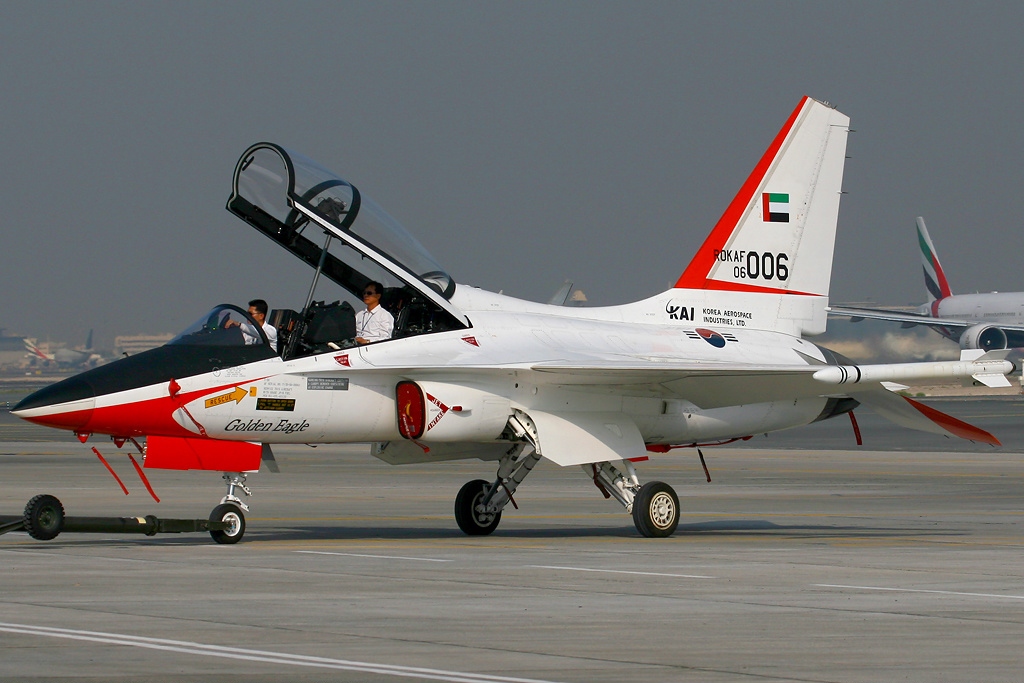
T-50 Golden Eagle
T-50K3 Light Machine Gun
K3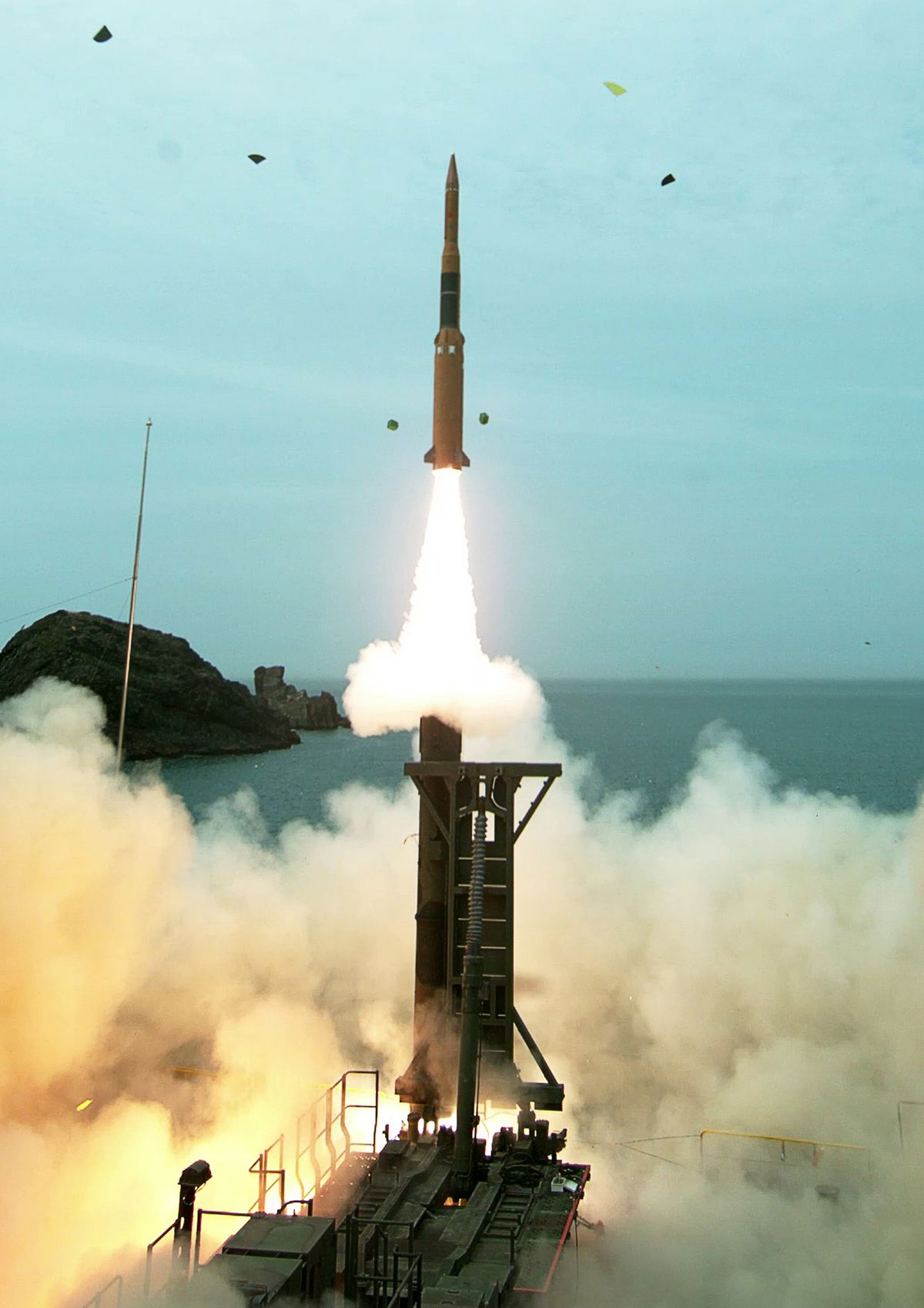
L-SAM
L-SAM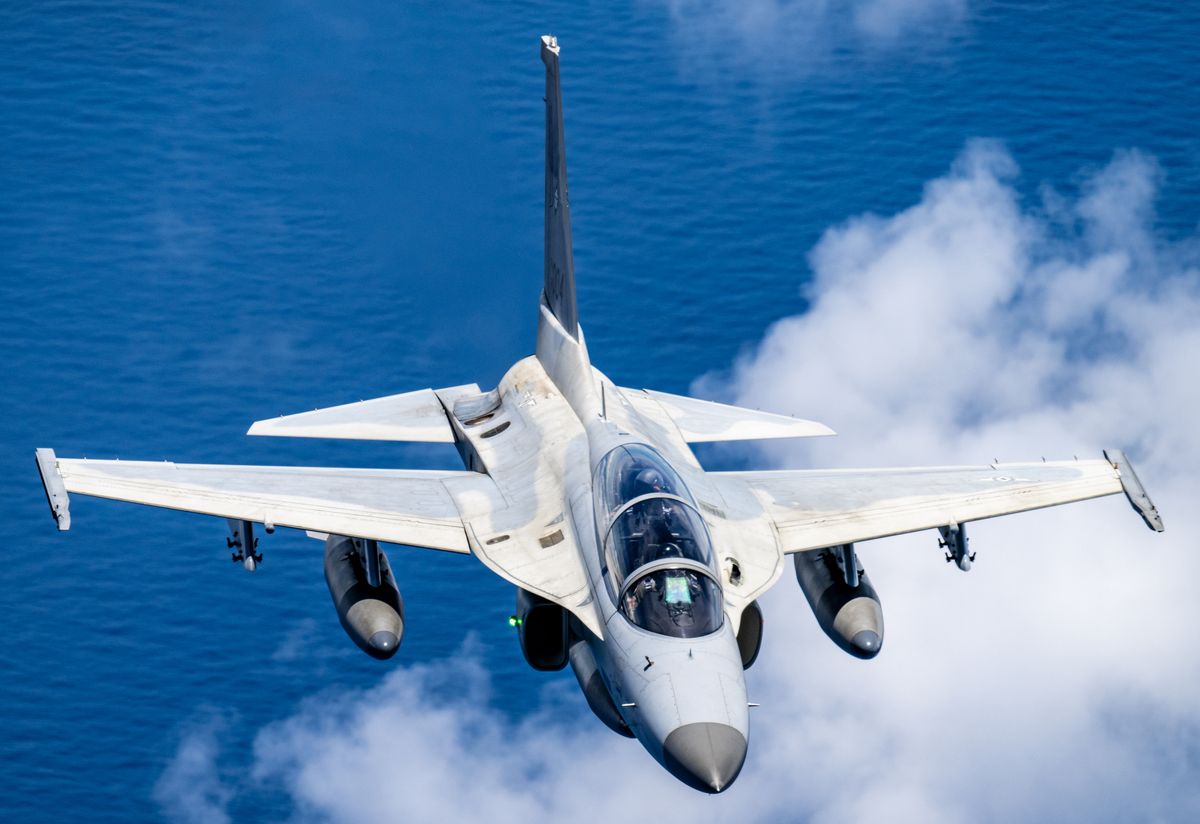
FA-50 Fighting Eagle
FA-50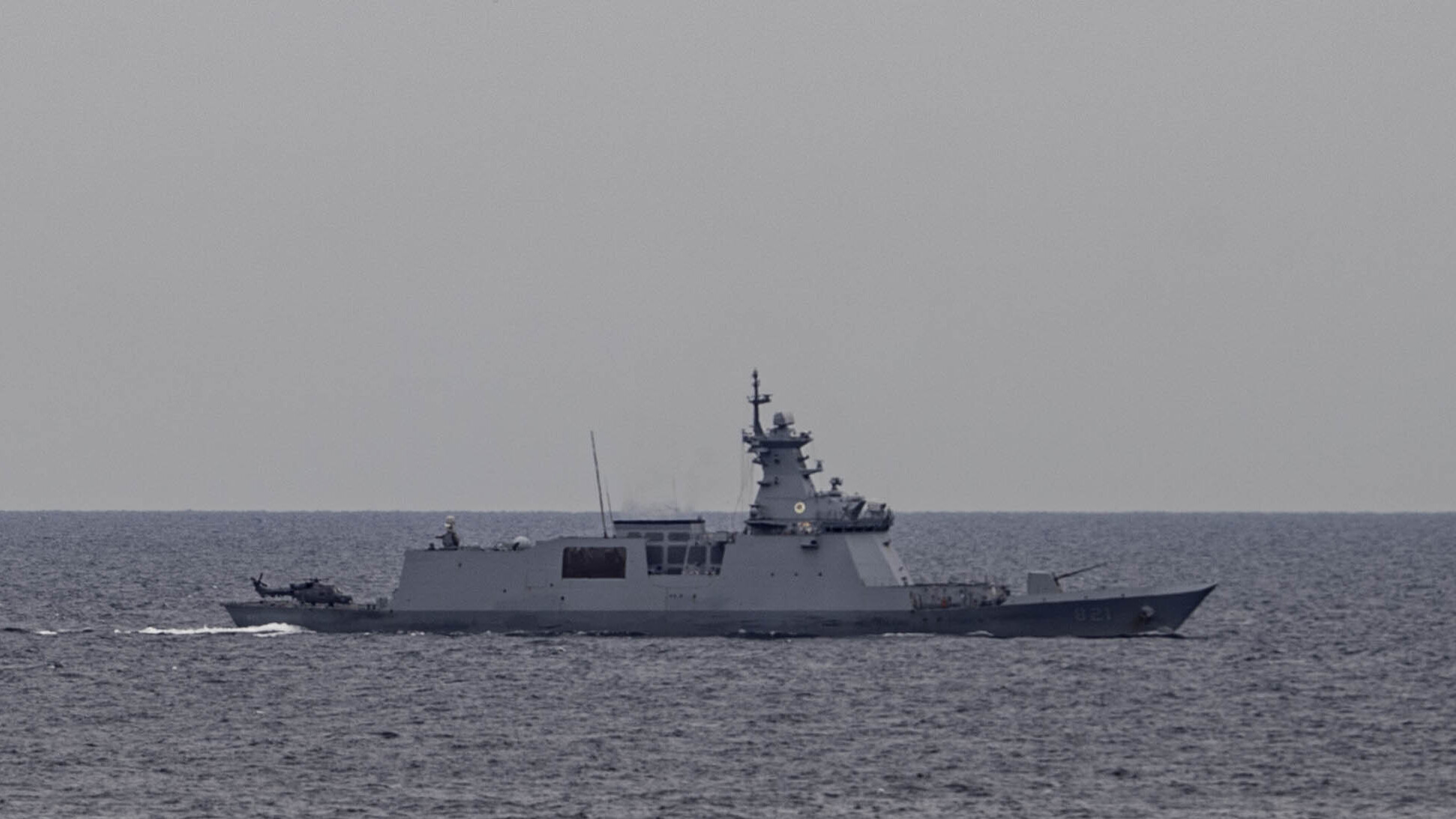
FFX Batch III Frigate
FFX Batch III (Chungnam-class)K4 Automatic Grenade Launcher
K4KT-1 Woongbi
KT-1Bigung Loitering Munition
BigungK1 Submachine Gun
K1AK14 Sniper Rifle
K14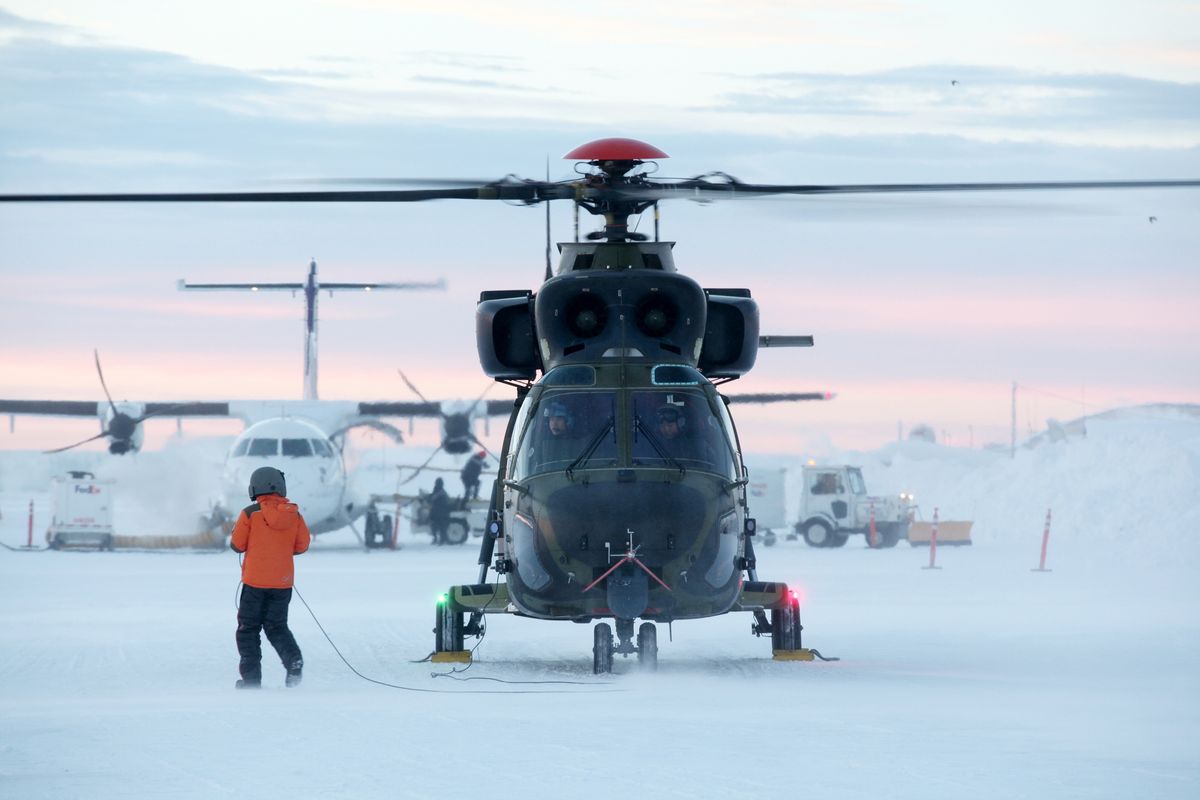
KAI Surion
KUH-1K201 Grenade Launcher
K201K5 Pistol
K5Detailed Reviews
Cheongung-II achieved a 95% intercept success rate across all developmental and operational test engagements, intercepting aircraft, cruise missile, and tactical ballistic missile surrogates under realistic threat scenarios. The system exceeded DAPA performance thresholds in every category, earning full operational certification for KAMD deployment.
During a large-scale ROK air defense exercise simulating saturation attacks, Cheongung-II batteries achieved a 96% kill rate against mixed aerial threats including low-altitude cruise missiles, high-speed maneuvering targets, and simulated ballistic missiles. The system seamlessly integrated with Patriot and L-SAM within the KAMD layered defense architecture.
In its March 2026 combat debut, the UAE-operated Cheongung-II intercepted 29 of 30 incoming Iranian ballistic missiles during retaliatory strikes across the Middle East, achieving a 96.7% success rate in its first real-world engagement. This marked the first known combat interception by the exported South Korean air defense system, instantly validating the platform and triggering a global demand surge. The UAE made an emergency request for 30+ additional interceptors following the engagement.
Polish K2 units demonstrated outstanding performance during combined arms exercises alongside Leopard 2A5 tanks. The autoloader enabled a sustained rate of fire 40% higher than crewed-turret MBTs. Hunter-killer fire control achieved first-round hits at 3km+ in degraded visibility.
Hyunmoo-series missiles have been tested in multiple live-fire exercises demonstrating precision strike capability against ground and maritime targets. During 2022 ROK-US combined exercises in response to North Korean provocations, Hyunmoo-2 missiles were launched alongside US ATACMS in a show of force, hitting targets with pinpoint accuracy. The Hyunmoo-4 achieved a 800km-class range in a 2024 test, validating deep strike capability.
K239 Chunmoo demonstrated devastating firepower during combined ROK-US live-fire exercises, engaging targets at ranges exceeding 200km with CTM-290 guided missiles. All guided rounds achieved direct hits on designated target complexes, validating the system as a true deep-strike asset.
Polish military acceptance trials for the K239 Chunmoo confirmed all performance specifications were met or exceeded. The system demonstrated interoperability with Polish C2 systems and NATO ammunition where applicable.
Poongsan 155mm ammunition has been fired through K9 Thunder howitzers by nine nations including Poland, India, Egypt, Norway, Finland, Estonia, Romania, Turkey, and Australia. During NATO exercises in Poland, over 3,000 rounds were fired with zero barrel failures. The HE-BB (base bleed) extended-range variants routinely achieve 40km+ engagement ranges, compatible with all NATO standard 155mm platforms.
Polish K9A1 units demonstrated exceptional reliability during NATO Steadfast Defender exercises, maintaining 95%+ operational readiness across extended cold-weather fire missions. Rapid shoot-and-scoot cycle of under 60 seconds impressed NATO artillery observers.
K9 Vajra-T units deployed along the Line of Actual Control (LAC) in Ladakh demonstrated reliable performance at high altitude (4,500m+). Desert-optimized variant with air conditioning operated effectively in extreme temperature swings from -30°C to +45°C.
The KF-21 completed over 2,000 test flight sorties across six prototypes, achieving Mach 1.81 top speed, demonstrating in-flight refueling, and validating all Block 1 air-to-air combat capabilities including AESA radar tracking and beyond-visual-range missile integration. The program met all DAPA performance thresholds, clearing the aircraft for low-rate initial production in 2025.
K10 ARVs deployed alongside Polish K9A1 howitzers during NATO Steadfast Defender exercises, enabling sustained high-tempo fire missions with automated ammunition resupply under combat-simulated conditions. The K10 reduced crew exposure to zero during reloading, completing full resupply cycles in under 8 minutes while K9s maintained shoot-and-scoot posture.
The K6 HMG is mounted on virtually every ROK armored vehicle and serves in fixed defensive positions along the DMZ. During the 2010 Yeonpyeong Island shelling, K6-armed positions were part of the military response. The .50 BMG round provides anti-materiel capability against light vehicles, structures, and low-flying aircraft. One of the most critical crew-served weapons in the ROK inventory.
K6 HMGs were deployed with Korean Hanbit Unit in South Sudan for base defense and convoy escort. The visible deterrent effect of vehicle-mounted .50 cal weapons was credited with preventing several potential hostile encounters. The weapon performed reliably in African heat and dust conditions.
The Redback outperformed the Rheinmetall Lynx KF41 in Australian Land 400 Phase 3 competitive evaluation across mobility, protection, and lethality criteria. Demonstrated superior mine blast protection and dismount ergonomics in tropical, desert, and temperate conditions.
KSS-III (ROKS Dosan Ahn Changho) completed its first full fleet exercise deployment, successfully conducting VLS cruise missile launches, anti-submarine warfare operations, and covert ISR missions. The lithium-ion battery system on Batch II demonstrated significantly extended submerged endurance.
The Hanwha Systems AESA radar family has been validated across both airborne and naval platforms. The KF-21 airborne variant completed over 2,000 flight test sorties, demonstrating simultaneous tracking of 1,000+ targets and fire control for BVR engagements. The naval variant on FFX Batch III achieved successful detection and tracking of low-observable maritime targets during fleet exercises, supporting Haegung SAM engagements.
The K2 has been the backbone of ROK infantry for four decades, serving in harsh Korean peninsular conditions from sub-zero winters to humid summers. Extensively used in DMZ patrols, counter-infiltration operations, and joint exercises with US forces. Demonstrated excellent reliability in the 2010 Yeonpyeong Island shelling response and subsequent heightened readiness operations.
The K2 was deployed with the ROK Zaytun Division in Erbil, Iraq (2004-2008). Korean forces used the K2 for base security, convoy protection, and stability operations. The rifle performed reliably in desert heat and sand conditions, though soldiers noted increased cleaning frequency was needed compared to Korean service.
The T-50 serves as the backbone of advanced jet training programs in South Korea, Indonesia, Iraq, Thailand, and the Philippines. Over 200 aircraft delivered worldwide with a combined fleet exceeding 500,000 flight hours. The ROKAF Black Eagles aerobatic team has demonstrated the aircraft at international airshows, showcasing its extreme flight envelope and structural integrity.
The K3 LMG served as the primary squad automatic weapon for ROK infantry deployed in Iraq. It provided suppressive fire capability during convoy security and base defense operations in Erbil province. Soldiers praised its reliability and the ability to use both belted ammunition and standard STANAG magazines, simplifying battlefield logistics.
The K3 is a key component of ROK forward defensive positions along the DMZ. During the 2015 DMZ landmine incident crisis, K3-equipped units were placed on high alert and manned fighting positions. The weapon system is integral to the layered defense doctrine of Korean infantry battalions.
L-SAM successfully intercepted a target simulating a ballistic missile during a developmental test, marking South Korea as one of few nations capable of indigenous upper-tier missile defense. The hit-to-kill intercept at exo-atmospheric altitude validated the system's core technology.
Philippine Air Force FA-50PH aircraft flew combat sorties during the Battle of Marawi (2017), delivering precision strikes against ISIS-affiliated militants in urban terrain. The FA-50 proved its value as a cost-effective CAS platform with low operating costs and high sortie generation rates.
Polish FA-50GF aircraft achieved initial operational capability and began air sovereignty missions, demonstrating rapid integration into NATO air defense architecture. Pilots praised the avionics suite and the aircraft's responsiveness as a gap-filler pending F-35 delivery.
The lead ship ROKS Chungnam (FFG-826) was commissioned in 2024 and completed initial operational capability evaluation in 2025. During combined ROK Navy fleet exercises, the frigate demonstrated multi-domain warfare capability including anti-submarine warfare with towed array sonar, surface engagement with SSM-700K Haeseong anti-ship missiles, and air defense coordination within the ROK Navy task force.
The K4 automatic grenade launcher is deployed on ROK Navy patrol boats, ground vehicles, and fixed coastal defense positions. During the heightened readiness following the 2010 Yeonpyeong shelling and Cheonan sinking, K4-equipped positions along the NLL (Northern Limit Line) were manned continuously. The 40mm high-velocity grenades provide devastating area effect against personnel and light vehicles.
The KT-1 Woongbi serves as the primary basic trainer for South Korea, Indonesia, Turkey, Peru, and Senegal, with over 100 aircraft delivered globally. The fleet has accumulated 300,000+ flight hours with a strong safety record. Indonesian Air Force KT-1Bs have been used extensively for both pilot training and light armed patrol missions over remote eastern Indonesian territory.
The Bigung loitering munition was deployed in the ROK Army's K-CEV unmanned combat exercise in February 2026, engaging simulated armored targets autonomously in a combined arms scenario alongside unmanned ground vehicles and reconnaissance drones. The system demonstrated its ability to loiter, identify, and strike targets with precision in a networked battlefield environment.
The K1A served as the primary weapon for ROK special operations forces, vehicle crews, and support personnel deployed in Iraq. Its compact size proved advantageous for vehicle-mounted operations and close-quarters security tasks in urban Erbil. Special forces teams rated it highly for its balance of firepower and portability.
Korean Dongmyeong Unit deployed to Lebanon as part of UNIFIL operations carried K1A carbines for officers and vehicle crews. The weapon provided adequate firepower for peacekeeping patrols in the challenging terrain of southern Lebanon.
The K14 sniper rifle serves ROK Army and Marine Corps sniper teams in DMZ overwatch positions and counter-infiltration roles. While primarily a defensive/deterrence weapon, Korean snipers have used the K14 in numerous international sniper competitions, demonstrating sub-MOA accuracy. The rifle has been fielded in forward observation posts along the DMZ for decades.
The Surion has accumulated over 100,000 flight hours across ROK Army aviation units since entering service in 2013, operating in the demanding Korean Peninsula environment from mountainous terrain to maritime conditions. The MUH-1 Marineon variant serves with the ROK Marine Corps for amphibious assault operations. Surion units have participated in ROK-US combined exercises including Ssangyong amphibious drills.
The K201 underslung grenade launcher was deployed with K2 rifles in Iraq, providing fire teams with organic indirect fire capability. Used primarily for illumination and smoke during night patrols and convoy operations. The ability to deliver 40mm grenades without a dedicated grenadier proved valuable in the small-unit operations typical of the Zaytun Division mission.
The K5 has served as the standard ROK military and police sidearm for over three decades. Its unique tri-action trigger system provides versatile carry options. Extensively used by officers, military police, and as a backup weapon for vehicle crews. Proven reliable across Korean climate extremes during decades of service.
Battle-tested ratings are based on publicly reported exercise results, combat deployments, and official acceptance trial outcomes. Ratings reflect system-level performance in realistic conditions. Sources include NATO after-action reports, DAPA evaluations, and allied military assessments.